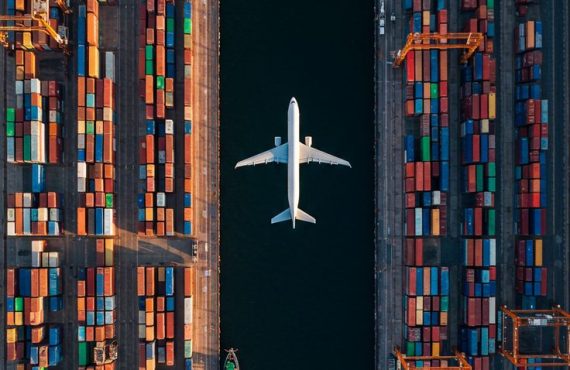
In Oman’s evolving logistics landscape, multimodal freight is no longer optional—it is operational necessity. Cargo frequently transitions between sea, road, and air networks through key hubs such as

Landscape mode is disabled.
Please rotate your device for better experience.



In Oman’s evolving logistics landscape, multimodal freight is no longer optional—it is operational necessity. Cargo frequently transitions between sea, road, and air networks through key hubs such as
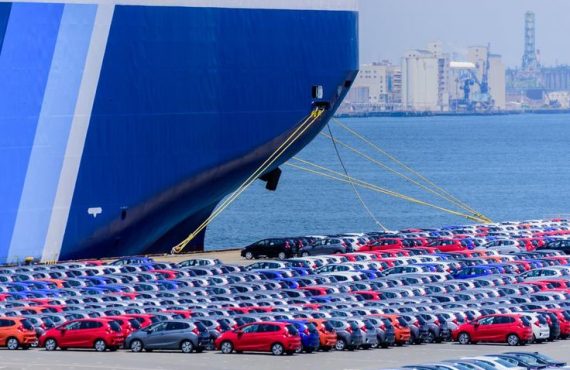
Transporting high-value vehicles across international borders is a specialized logistics operation, not a standard freight movement. In Oman and across GCC corridors, vehicle shipments pass through multiple control

Port congestion is no longer an occasional disruption — it is a recurring operational risk in global shipping. For Oman, positioned along key international maritime routes, congestion at
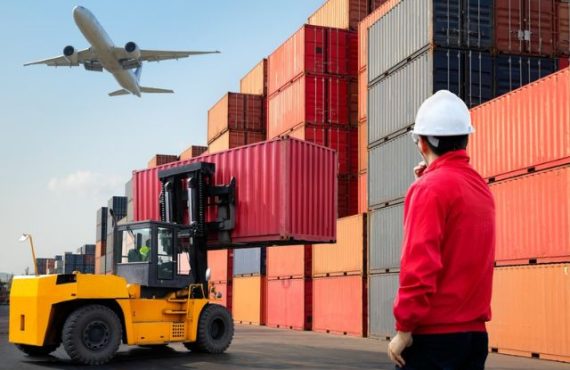
International shipping is no longer a linear process — it is a multi-layered operation involving transportation, customs compliance, warehousing, and cross-border coordination. In Oman, where cargo moves through
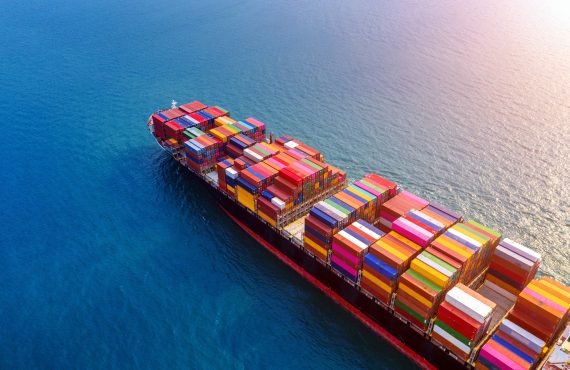
Transit delays in international freight are not just operational inconveniences — they directly impact supply chain reliability, contract timelines, and cost control. In a trade-driven market like Oman,

Project cargo logistics sits at the most demanding end of global transportation. Oversized machinery, heavy industrial components, and high-value equipment cannot be treated as routine freight. Every movement

In international trade, cost efficiency is not achieved only through negotiation or scale. In many cases, it is shaped by how well a business understands and applies regulatory
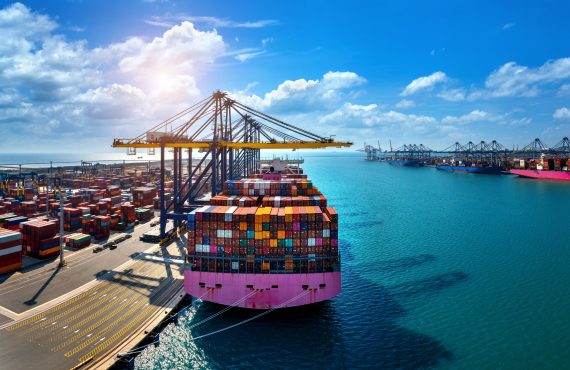
International trade does not always involve permanent movement of goods. In many cases, equipment, materials, or professional assets must cross borders for a specific purpose and a limited

In international logistics, not all shipments can afford delay, rerouting, or uncertainty. Certain consignments—critical documents, aviation parts, medical equipment, or high-value components—demand absolute control from origin to destination.

Alsi For Marine Services LLC
P.O. Box 608, P.C: 322,
W. Sohar Sultanate Of Oman
Alsi For Marine Services LLC
Business Bay, Churchil Tower
Office no : 3409, Dubai, UAE.
Tel no : +97145850934, +971523767001
P.O. BoX : 392585
Alsi Shipping & Logistics Services W.L.L
Alsi Freight Forwarding Services W.L.L
P.O.Box 30611 | C12, Al Emadi Business Center, 2nd Floor,
Office 35 Doha,Qatar
Tel no : +974 4047 8563, Mob No: +974 3362 5333




© Alsi For Marine Services LLC. All Rights Reserved.