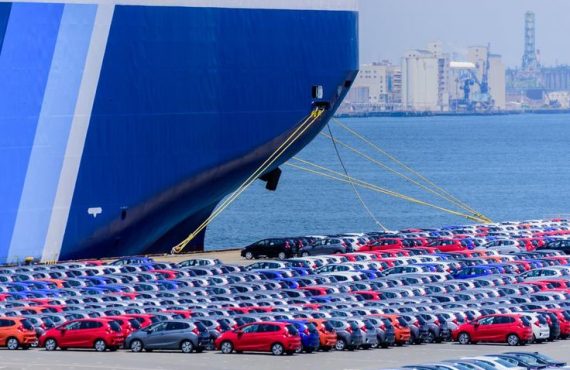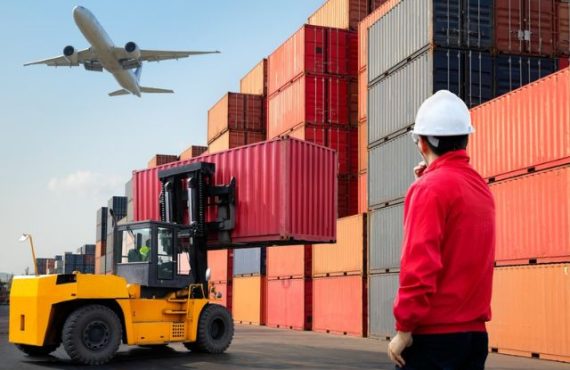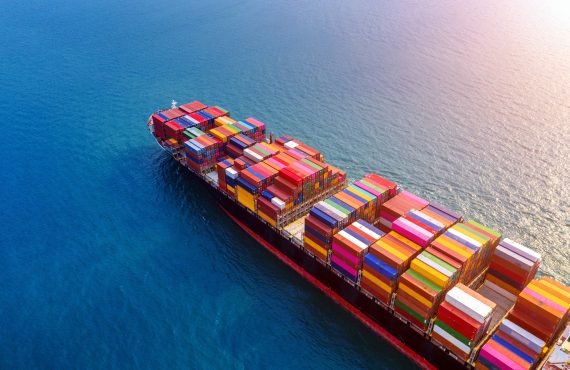


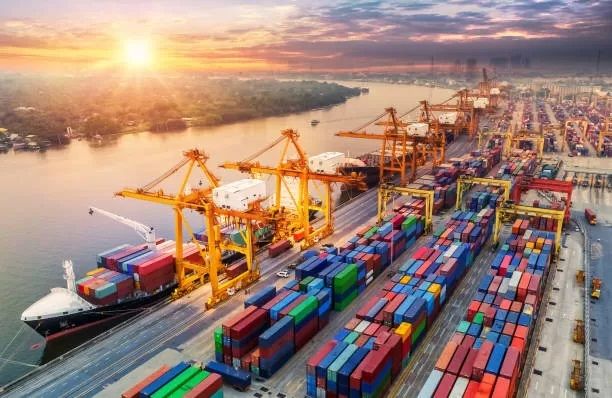
Port congestion is no longer an occasional disruption — it is a recurring operational risk in global shipping. For Oman, positioned along key international maritime routes, congestion at major global ports directly affects cargo movement through Sohar, Salalah, and Muscat.
When congestion occurs, it does not stay isolated at one port — it cascades across shipping schedules, inland transport, and supply chain timelines.
For businesses relying on predictable freight movement, congestion is not just a delay — it is a cost and control issue.
Understanding Port Congestion in Real Terms
Port congestion occurs when:
- Vessel arrivals exceed berth capacity
- Cargo handling slows due to operational constraints
- Yard and storage areas become overloaded
This results in:
- Vessel waiting time (anchorage delays)
- Extended unloading and turnaround cycles
- Disruption to scheduled shipping networks
In interconnected trade systems, one congested port can disrupt multiple regional routes — including GCC-linked cargo flows.
Key Causes of Port Congestion in Global and Regional Context
1. Demand Surges Across Trade Corridors
Post-pandemic trade recovery and e-commerce expansion have increased cargo volumes beyond port handling capacity.
2. Workforce Limitations
Shortage of dock workers, drivers, and handling crews slows cargo processing and increases turnaround time.
Infrastructure Constraints
Many ports are not scaled for:
- Larger vessels
- Higher container volumes
- Faster turnaround expectations
This creates bottlenecks at berths, yards, and gate operations.
Weather and Environmental Disruptions
Sea conditions, fog, and extreme weather can halt port operations, especially in sensitive maritime zones.
Supply Chain Imbalance
When one port gets congested, vessels reroute — transferring the problem to other ports and creating a chain reaction.
Operational Impact on Oman-Based Logistics
For businesses operating in Oman, port congestion affects:
Transit Time Uncertainty
Delays at origin or transshipment ports disrupt delivery schedules into Oman and across GCC markets.
Increased Freight and Handling Costs
Costs increase due to:
- Vessel waiting charges
- Demurrage and detention
- Rerouting expenses
These are not minor increases — they directly affect margin control.
Disruption to Downstream Logistics
Delayed port clearance impacts:
- Warehousing schedules
- Distribution timelines
- Cross-border trucking into UAE and Saudi Arabia
Environmental and Compliance Pressure
Idle vessels increase emissions, while delays can create compliance risks for regulated cargo.
How to Manage and Reduce the Impact of Port Congestion
Port congestion cannot be eliminated — but it can be managed through structured logistics control.
1. Strategic Port Selection and Diversification
Relying on a single port increases risk exposure.
In Oman logistics planning:
- Sohar → Industrial and container cargo
- Salalah → Transshipment and global connectivity
- Muscat → Regional cargo movement
Using alternative ports based on congestion levels improves reliability.
Dynamic Route and Schedule Optimization
Static shipping plans fail in congested environments.
Effective logistics requires:
- Monitoring congestion data
- Adjusting vessel schedules
- Selecting alternate transshipment hubs
Route flexibility reduces dependency on high-risk corridors.
Strengthening Pre-Arrival and Customs Coordination
Delays increase when cargo is not clearance-ready.
Control measures include:
- Pre-validating documentation
- Aligning customs requirements before vessel arrival
- Coordinating clearance with port schedules
This ensures cargo moves immediately after discharge.
Leveraging Multi-Modal Alternatives
When sea freight is disrupted, alternative modes must be activated:
- Sea–Air combinations for urgent cargo
- Air freight for time-critical shipments
- Road freight for GCC redistribution
Mode flexibility is critical in congestion scenarios.
Technology-Driven Visibility and Forecasting
Reactive logistics fails under congestion pressure.
Using tracking and predictive systems enables:
- Early identification of delays
- Real-time shipment monitoring
- Faster decision-making
Visibility transforms uncertainty into controlled response.
Workforce and Handling Coordination
Cargo delays are often operational, not infrastructural.
Working with:
- Skilled port handling teams
- Coordinated transport operators
ensures faster turnaround and reduced idle time.
Partnering with a Logistics Provider That Can Adapt
Most businesses cannot control port congestion — but they can control how they respond to it.
An experienced logistics partner provides:
- Alternative routing strategies
- Flexible transport options
- Continuous operational monitoring
ALSI Oman manages congestion impact through integrated logistics planning and execution, ensuring cargo movement continues even under disruption conditions.
Conclusion: Congestion Is Inevitable — Disruption Is Not
Port congestion is a structural challenge in global shipping — not a temporary issue.
For Oman-based trade operations, the difference between disruption and continuity lies in:
- Planning flexibility
- Route diversification
- Customs readiness
- Real-time operational control
Businesses that rely on fixed logistics models will face repeated delays.
Those that adopt adaptive, integrated logistics strategies will maintain supply chain continuity — even when global ports are under pressure.