
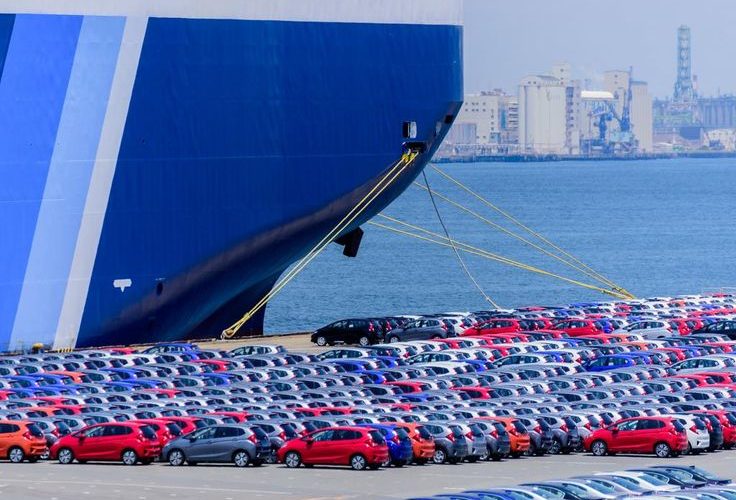
Transporting high-value vehicles across international borders is a specialized logistics operation, not a standard freight movement. In Oman and across GCC corridors, vehicle shipments pass through multiple control points — ports, customs, inland transport — each carrying risk if not properly managed.
Luxury vehicles, classic cars, and performance automobiles require secure handling, regulatory compliance, and controlled transport execution to avoid financial loss and operational disruption.
Why Standard Logistics Fails for High-Value Vehicles
Most logistics failures happen because companies treat vehicles like general cargo.
That’s wrong.
High-value vehicles require:
- Controlled loading and unloading
- Enclosed or secured transport methods
- Accurate valuation and insurance structuring
- Strict customs compliance
Ignoring these factors leads to:
- Damage claims
- Clearance delays
- Asset depreciation
Key Requirements for Safe Cross-Border Vehicle Transport
1. Secure Transport Method Selection
Transport method directly impacts risk exposure:
- Enclosed carriers → Maximum protection for road transport
- Containerized shipping → Controlled sea transport environment
- RoRo shipping → Cost-efficient but higher exposure
- Air freight → Used for ultra high-value or urgent delivery
Selection must be based on asset value and risk tolerance, not budget.
2. Customs and Regulatory Compliance in Oman
Vehicle imports and exports require:
- Ownership documentation
- Commercial invoices and valuation
- Duty and tax compliance
- GCC regulatory alignment
Any mismatch leads to:
- Delays
- Fines
- Possible shipment holds
Customs is not a backend process — it’s a critical control stage.
3. Pre-Shipment Inspection and Documentation
Before dispatch:
- Record vehicle condition
- Capture high-resolution images
- Verify operational status
Without this:
- Insurance claims become weak
- Liability becomes unclear
This step protects both shipper and logistics provider.
4. Insurance Coverage Based on Real Asset Value
Under-insured shipments are a common mistake.
Coverage must include:
- Full vehicle valuation
- Transit risk zones
- Handling risks
If not structured properly → claims get rejected, not paid.
5. Handling, Securing, and Loading Protocols
Damage usually happens during handling — not transit.
Control measures:
- Wheel chocks and secure lashing
- Professional loading equipment
- Trained handling teams
Poor handling = guaranteed risk.
Common Mistakes That Increase Risk
Choosing the Cheapest Option
Cheap logistics = higher damage probability.
Ignoring Documentation Accuracy
Errors delay clearance or block shipment.
Poor Vehicle Preparation
Fuel levels, battery, leaks — all matter.
No Tracking Visibility
If you can’t track, you can’t control.
Weak Communication
Misalignment between stakeholders creates delays.
How ALSI Oman Handles High-Value Vehicle Logistics
ALSI Oman manages vehicle shipments through:
- End-to-end logistics control
- Secure transport selection
- Customs compliance handling
- Real-time tracking systems
- Coordinated execution across ports and GCC routes
This ensures vehicles move safely across borders without unnecessary exposure.
Conclusion: This Is Risk Management, Not Shipping
Shipping high-value vehicles is not about moving cargo — it is about:
- Protecting asset value
- Controlling operational risk
- Ensuring compliance at every stage
Businesses that treat it as standard freight will face:
- Damage
- Delays
- Financial loss
Those that apply structured logistics control will maintain security, reliability, and asset integrity.