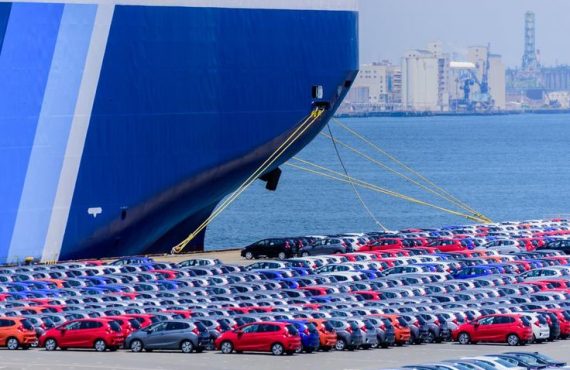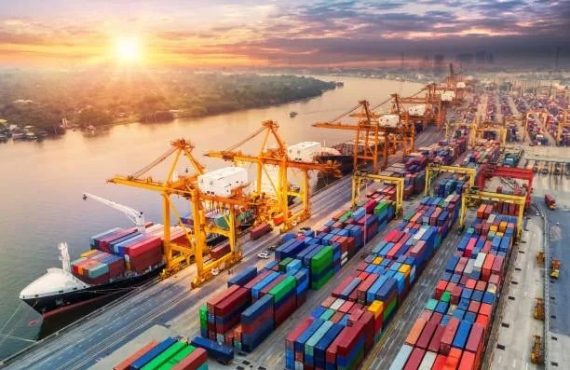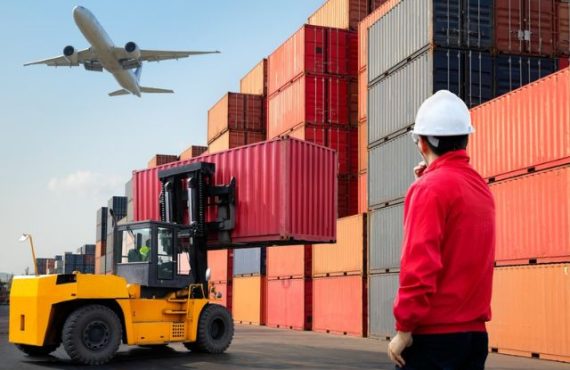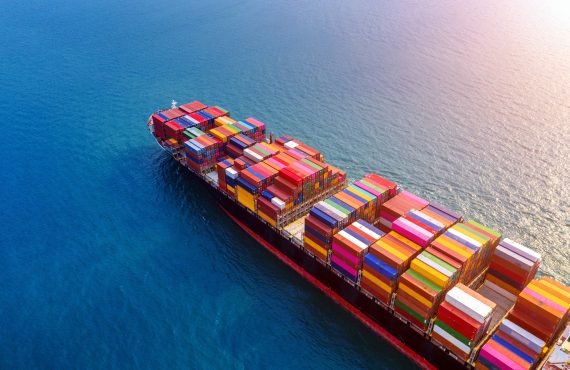


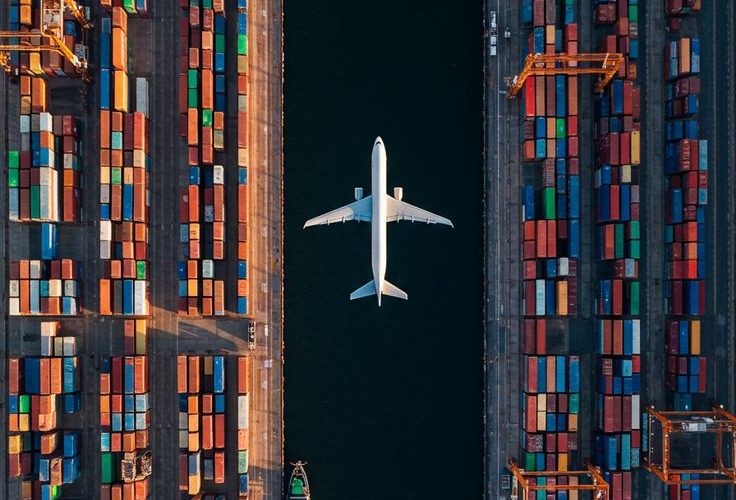
In Oman’s evolving logistics landscape, multimodal freight is no longer optional—it is operational necessity. Cargo frequently transitions between sea, road, and air networks through key hubs such as Port of Sohar, Port of Duqm, and Port Sultan Qaboos.
In this environment, customs processes cannot function as isolated checkpoints. Their role directly influences how efficiently cargo moves across transport modes. When customs integration is aligned with multimodal planning, freight maintains continuity. When it is not, delays emerge at the exact points where coordination is critical.
Customs as a Continuous Layer in Freight Movement
A common operational mistake is treating customs clearance as a separate phase. In multimodal logistics, this approach creates duplication, inconsistency, and delays.
In Oman, where cargo often connects international shipping with GCC road transport, customs must be embedded into the transport lifecycle. Declarations, compliance checks, and approvals should move with the shipment—not interrupt it.
This shift transforms customs from a checkpoint into a structured layer within the logistics flow.
Managing Port-to-Road Transitions Without Disruption
The most fragile stage in multimodal freight is the transition point—especially when cargo moves from port clearance to inland transport across Oman or into GCC corridors.
Without integration:
- Documentation may reset
- Compliance checks may repeat
- Clearance delays extend dwell time
With integrated customs processes:
- Shipment data flows across stages
- Regulatory status remains consistent
- Procedures progress in parallel with transport
This is particularly critical in Oman’s role as a gateway for regional distribution.
Unified Documentation Across the Oman Logistics Network
At the core of seamless integration is documentation discipline.
Multimodal shipments require:
- Consistent cargo declarations
- Unified transport documentation
- Clear assignment of responsibility
When documentation is fragmented, customs authorities re-evaluate cargo at each stage. When it is unified, clearance becomes faster and more predictable.
In Oman, where shipments often move between free zones, ports, and inland logistics hubs, documentation consistency directly impacts operational efficiency.
Digital Customs Systems in Oman
Oman has made measurable progress in customs digitalisation through Royal Oman Police Customs systems and electronic clearance platforms.
These systems enable:
- Pre-arrival documentation submission
- Early compliance verification
- Reduced physical inspection dependency
This means cargo can be assessed before it reaches ports like Sohar or Duqm, reducing bottlenecks and supporting faster transitions into road or air freight.
Digital alignment ensures customs processes move at the same pace as logistics execution.
Visibility Across Transport and Compliance
In complex freight movements, visibility is not just about tracking cargo—it’s about tracking compliance status.
When logistics teams can see:
- Customs clearance progress
- Inspection requirements
- Documentation gaps
They can act before disruptions occur.
This proactive control is especially important in Oman, where shipments often serve as transit cargo to the wider GCC region.
Visibility transforms customs from a reactive process into a controlled, predictable system.
Operational Expertise in Multimodal Environments
Even with systems and documentation in place, execution depends on expertise.
Multimodal freight in Oman involves:
- Port authorities
- Customs regulators
- Transport operators
- Free zone compliance frameworks
Coordinating these stakeholders requires experienced logistics professionals who understand both regulatory requirements and transport sequencing.
Without this coordination, systems remain underutilised and delays persist.
Conclusion: Integration Defines Efficiency
Seamless customs integration is not a single improvement—it is the result of structured alignment between:
- Documentation
- Digital systems
- Visibility
- Operational expertise
In Oman’s logistics environment, where multimodal freight supports regional trade, this integration determines whether cargo flows efficiently or becomes delayed at transition points.
At ALSI Oman, customs processes are managed as part of the transport system itself—ensuring that compliance and movement progress together, not separately.